The Met Gala is synonymous with larger-than-life outfits. But little more than a decade ago, the fashion was more restrained.
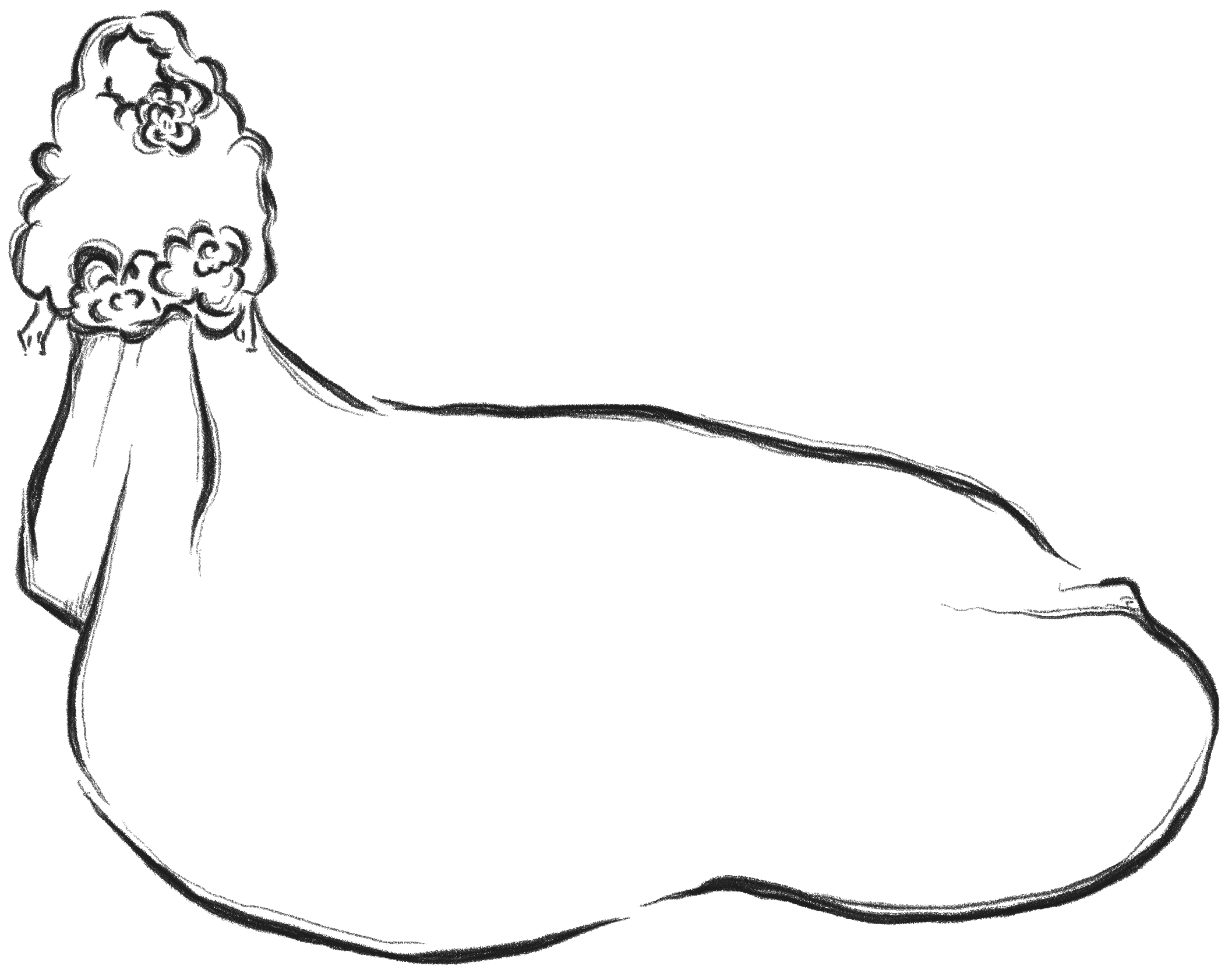
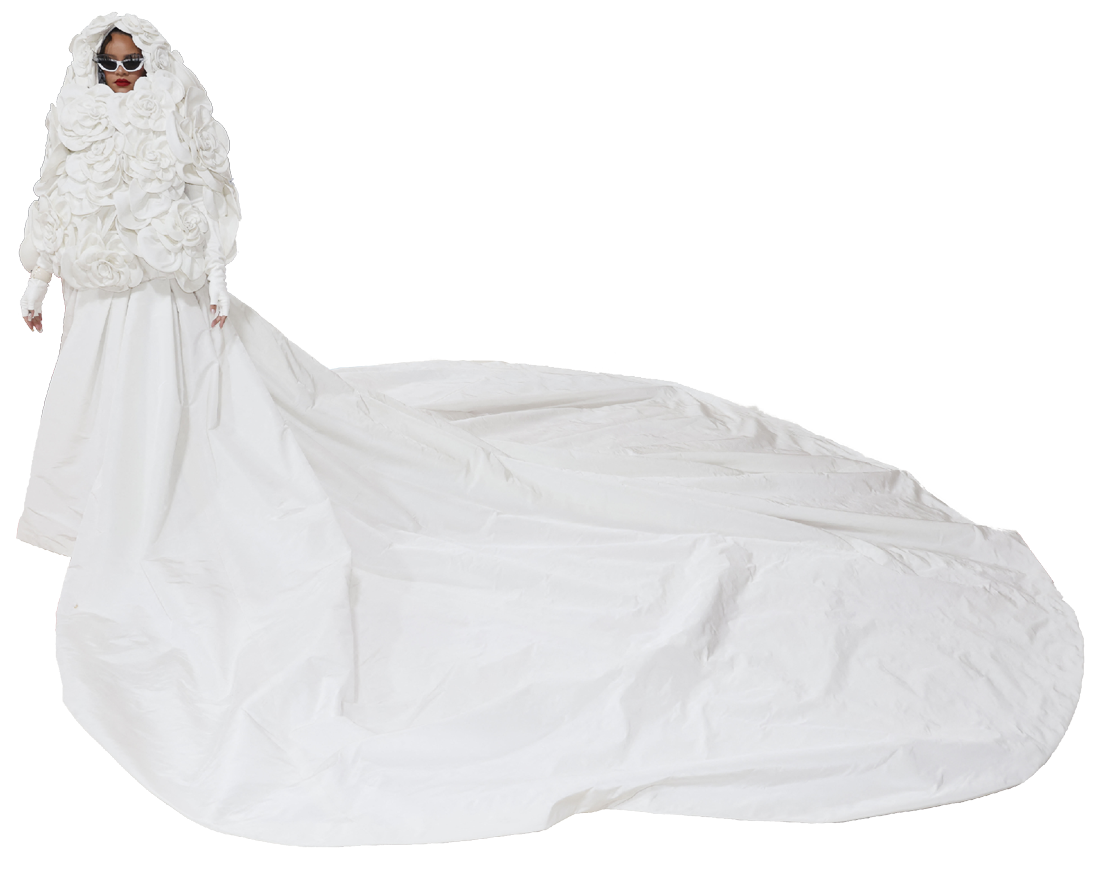
Take Rihanna’s style evolution at the exclusive event:
A Reuters Graphics page
D iana Vreeland, the former Vogue editor in chief who helped bring the Met Gala into the public eye in the 1970s, is quoted as saying “exaggeration is my only reality.”
A look back at red carpet pictures from the mid-1990s to 2024 shows how exaggerated outfits have become a hallmark of the event, which takes place this year on Monday, May 5.
The Met Gala silhouettes
Drawings of the silhouettes of Met Gala outfits captured in Reuters’ photo archive, every five years for the past 20 years, show designs branching further outside the typical ballgown.
A chart showing line drawings of hundreds of silhouettes of gowns worn at Met Galas in the years 2004, 2009, 2014 and 2024, showing how the silhouettes have become bigger and more complex; the line drawings for each year are stacked on top of each other to show the overall size.
The promise of a look going viral online is undeniably part of the trend. Rihanna’s yellow 2015 dress becoming instant meme fodder gives the celebrity and brand unparalleled attention.
Red carpet content in real time saturates platforms like Instagram and TikTok, both of which have sponsored the gala.
The party’s connection to the Costume Institute means people have come to expect designs worthy of being seen at one of the world’s great art museums.
Designer Thom Browne, who dressed around a dozen guests at last year’s gala, said he approaches designing for the Met similarly to his own fashion shows, but sees the project as a chance to put the creative before the commercial and to make something unique for the person wearing it.
“People do appreciate the fantasy and the effort of doing something that is maybe more heightened than even in a collection,” Browne said, adding that he wants to make sure the pieces he designs “are at the level of even being acquired” by the museum.
A collage illustration of six, mostly white Met Gala outfits, including Katy Perry dressed as a chandelier and Jared Leto in a giant cat costume.
A changing dress code, tied to an annual exhibit at the museum, also prompts designers and their guests to be playful, or even blur the line between fashion and costuming.
The 2025 theme “Superfine: Tailoring Black Style” will celebrate Black-led sartorial innovation, according to the Met Museum. In keeping with the dress code, “Tailored for You,” designers could opt for slimmer proportions.
But Browne noted that while he thinks people will embrace the idea of tailoring this year, “tailoring can be hugely conceptual too.”
The fashion industry’s changing role in the event also helps explain the growing spectacle. In its early years after its founding in 1948, the high-society show happened entirely behind closed doors; you would see guests in dramatic outfits and couture, but only if you were also invited.
In the 1970s, former Vogue editor Vreeland gave the public a sneak peek by staging red carpet arrivals, taking advantage of an emerging celebrity culture. Anna Wintour, now the magazine’s global editorial director, began co-chairing the event in the 1990s and infused it with the star power it commands today.
In time, the role of the Met Gala grew beyond just fundraising for the Costume Institute into a major marketing platform for the contemporary fashion industry, according to Dr. Elizabeth Castaldo Lunden, a fashion scholar and research fellow at the University of Southern California.
Many of the brands seen on the red carpet are owned by a few fashion conglomerates, like Kering and LVMH, the latter of which owns Louis Vuitton, who will sponsor this year’s event. (Thom Browne is owned by the smaller Ermenegildo Zegna Group.)
“Their presence in these events is creating brand equity,” Castaldo Lunden said. “The conglomerates need branding strategies to give a different identity to the brands they own.”
She also noted that the Met Gala and its interplay with the media have influenced other red carpets, like the Oscars and Cannes Film Festival, to be more playful – though those events have identities and traditions of their own.
A collage illustration of eleven Met Gala outfits in warm colors, including Billy Porter spreading a set of golden wings, gold Cardi B in a 10-foot, oxblood-colored gown and Lady Gaga in a parachute-like hot pink dress.
This year’s Met Gala comes at a tumultuous time for the fashion industry. Financial firm Bernstein expects worldwide sales of luxury goods to fall by as much as 2% this year, which would mark the industry’s longest downturn in over two decades. The $395 billion global market has been hit by an economic slowdown in China and rising inflation elsewhere.
U.S. President Donald Trump’s tariff announcements have only added uncertainty.
But an industry slump could give fashion companies even more of a reason, not less, to make a splash on red carpets, suggests Loretta Volpe, chair of advertising and marketing communications at the Fashion Institute of Technology. Events have “grown tremendously” for brands to showcase their creations, she says, and red carpets are a rare opportunity to grab eyeballs.
“You are competing with a very short memory span that consumers have today. If you’re a high-range brand, trying to capture that share of wallet is hard,” Volpe said. “Do you have a choice in not doing it if you have an opportunity to be on the red carpet?”
She likens events like the Met Gala to the Olympics. Sports brands who sponsor athletes in the games spend big for visibility in a mere two-week window; ultimately it’s a bet that viewers will keep associating them with an iconic event after it ends.
Fashion companies sometimes spend millions of dollars on deals with celebrities to wear a certain brand exclusively. But that investment and the cost of constructing a museum-worthy garment – even a gown whose size makes it impossible to walk up the museum steps without assistance – can deliver big returns, Castaldo Lunden said.
“This is really cheap for the amount of exposure they get. This is a great deal for them.”
A collage illustration of seven Met Gala outfits in dark and cool colors, including Olivier Rousteing in a top resembling a face sculpted out of sand and Lizzo playing the flute in a black gown embroidered with gold florals.
Methodology
Using the Reuters photo archive, the Reuters Graphics desk traced 310 celebrity outfits on the red carpet for years 2004, 2009, 2014, 2019 and 2024. Of the thousands of photos in the archive for those years, Reuters selected photos that captured entire outfits in which the subject was facing the camera or slightly turned. Reuters further narrowed the outfits to exclude suits and kilts, then traced the silhouettes of the remaining 310 unique outfits. The traced silhouettes were then laid on top of one another by aligning the shoulder, bust and waist of each garment.
Note
*Reuters was not able to obtain a picture of Rihanna’s outfit in 2009, a puffy-sleeved tuxedo from Dolce & Gabbana.
Sources
Vogue, Highsnobiety, SCPS
Edited by
Sandra Maler and Julia Wolfe