Ukraine crisis
Protesters seeking closer Ukranian ties with the West toppled its Moscow-backed president in February. A sharp rise in tension in the country's East lead to Russia's annexation of Crimea and the worst East-West crisis since the end of the Cold War.
Last updated: 17 July 2014
Recent developments
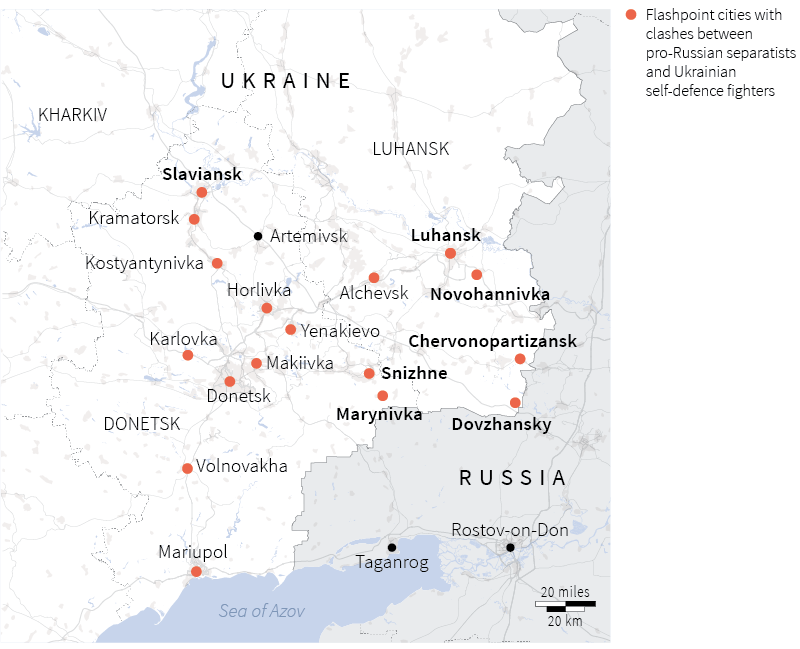
The Russian-speaking east of the country has been disrupted by pro-Moscow militants who have taken over the city of Slaviansk and public buildings elsewhere.
Ethnic divide

The opposition won in all of Ukraine's western provinces, where most people speak Ukrainian rather than Russian and many there called for deeper economic and political ties with Europe.
Crimea annexed

Russia is getting out its chequebook to bankroll the region of Crimea, newly incorporated into Russia following its rapid annexation last month.
Ukraine's Defence Ministry has estimated the value of Ukrainian military equipment left in Crimea at 18 billion hryvnias ($1.7 billion). Ukraine says it is preparing a case against Russia in the international maritime tribunal over its ships in Crimea.
Sanctions

Russia's tactics of fostering instability in Ukraine without further overt military intervention are sharpening divisions in the European Union over whether to impose economic sanctions, making an early decision to get tough very unlikely.
Gas dependency
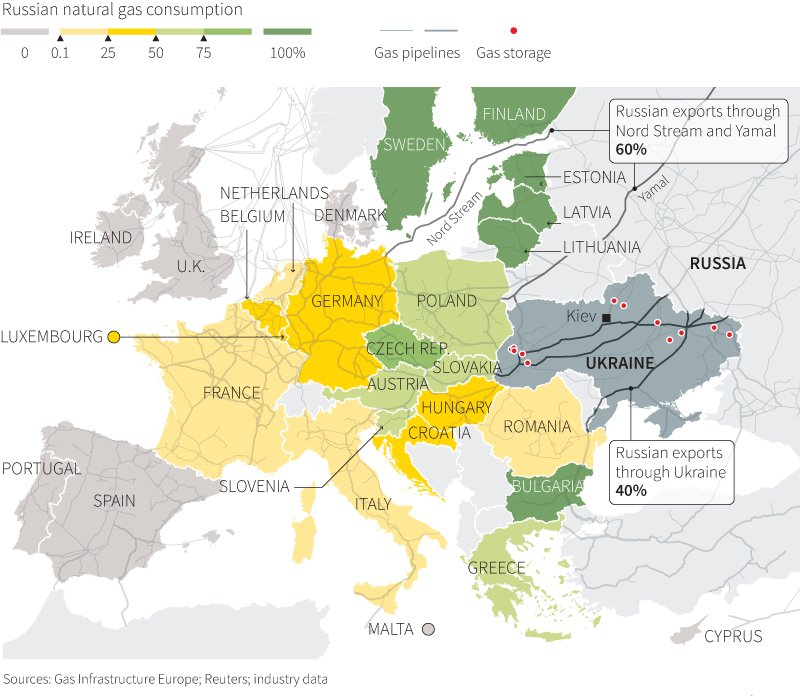
The EU has more to lose than the United States does if Russia retaliates against sanctions, sparking a possible trade war. Russia provides about one third of the EU's gas imports and is a major trading partner.